Friday, June 7, 2019

Research Experience at the Center for Craniofacial and Dental Genetics

Like other Pitt Public Health students and genetic counseling students before me, I have had the pleasure of working at the Center for Craniofacial and Dental Genetics (CCDG) throughout my graduate career.  The CCDG is part of Pitt’s School of Dental Medicine and has several research initiatives investigating topics in craniofacial development and factors contributing to oral health.  I am a research assistant for the COHRA2/COHRA Smile studies: Factors Contributing to Oral Health Disparities in Appalachia. 

The goal of these studies is to investigate genetic, environmental, behavioral, and microbial contributions to the disproportionately high rate of dental caries (cavities) in children living in Appalachia.  Appalachia is a region of the eastern United States, covering parts of northern Mississippi, Alabama, Georgia, and reaching up to western New York.  The COHRA2/COHRA Smile studies include two cohorts of Caucasian (COHRA2) and African American (COHRA Smile) women and their children from West Virginia and western Pennsylvania, as children in this area demonstrate poorer oral health and elevated rates of caries earlier in life compared with national averages. 

A map depicting Appalachia


What I love about my job is that no two days are the same.  It provides me with the opportunity to work with a multidisciplinary team of research assistants, data analysts, and dental hygienists to collect and manage participant data.  My time here has helped me to develop a robust research skill set due to the nature of the work I perform.  On a daily basis, my work requires me to problem-solve, manage data, and collaborate, all while ensuring these efforts maintain the integrity of the research we perform.  My job includes a lot of organizational and office duties, processing samples received at both sites for subsequent analysis, performing phone interviews, and scheduling visits.  All of these aspects are beneficial to understanding the organization of a day working in clinic.

I get to balance all of this with seeing our participants during their visits.  The participants enrolled are pregnant women who live in West Virginia or the greater Pittsburgh area.  As a longitudinal study, we follow them and their babies through the child’s 10th birthday, with visits at yearly time points.  These visits involve a dental hygienist and a research assistant (such as myself) performing a dental screening of mother and child and collecting saliva and other oral samples for DNA and microbial environment analysis.  Having a six-year-old ask you why their mom is spitting in a tube is a great way to practice explaining genetics to a young audience! Additionally, we track children’s growth, and survey behavioral, environmental, psychosocial, and socioeconomic factors and exposures that the mothers report at the visits and with periodic phone interviews.  

The CCDG has a rich library of data available from which I will be able to develop my thesis project.  Because of the wealth of data available, I have the opportunity to not only develop a project I am passionate about, but also contribute directly to the study’s aims.  I am interested in the ways that genetics can influence public health and policy related to common diseases, so I will be developing a project that investigates relationships between genetic factors, dental caries, and smoking.  It is important to consider potential genetic factors in dental care when they matter, especially when developing interventions for a population that may be at higher risk.  I aim to discuss the implications for intervention and management when genetics does and does not play a role in oral health.

I had been working in this position for almost a year prior to starting my genetic counseling training, and I could not feel more strongly that my experience with COHRA has helped to make me a better counselor.  From the participant’s perspective, being in a research study is always unfamiliar at first, so I have learned how to give guidance for what the mothers can expect during their time as a participant and at each study visit.  I’ve also grown to appreciate how crucial the informed consent process is, and explaining to potential participants that they will not get a direct return of results (because research information is de-identified) is great practice in talking about a confusing topic, like a genetic counselor might do with a variant of uncertain significance.  Asking an exhaustive list of health and diet questions during phone interviews is also reflective of what it is like to take a family history, and it takes practice to feel comfortable doing this in a way that is personable while staying on-topic, since we are asking mothers about their children.  And, of course, doing all of this research with young children in the room means we often have to explain every step of our process to very curious minds!  It is excellent practice in using patient-friendly language to explain complex topics.

Though dental genetics is not what I had in mind when I decided I wanted to be a genetic counselor, what this job has taught me the most is to be really open to new experiences.  My work environment and my team are the best I could have asked for; they are always supportive of my educational endeavors and have become close friends.  I am thankful for great mentorship at every level, and I know that I am a valued member of their team.  For all of these reasons, I am excited to finish out my graduate career as a research assistant with the COHRA team and the rest of the CCDG!  
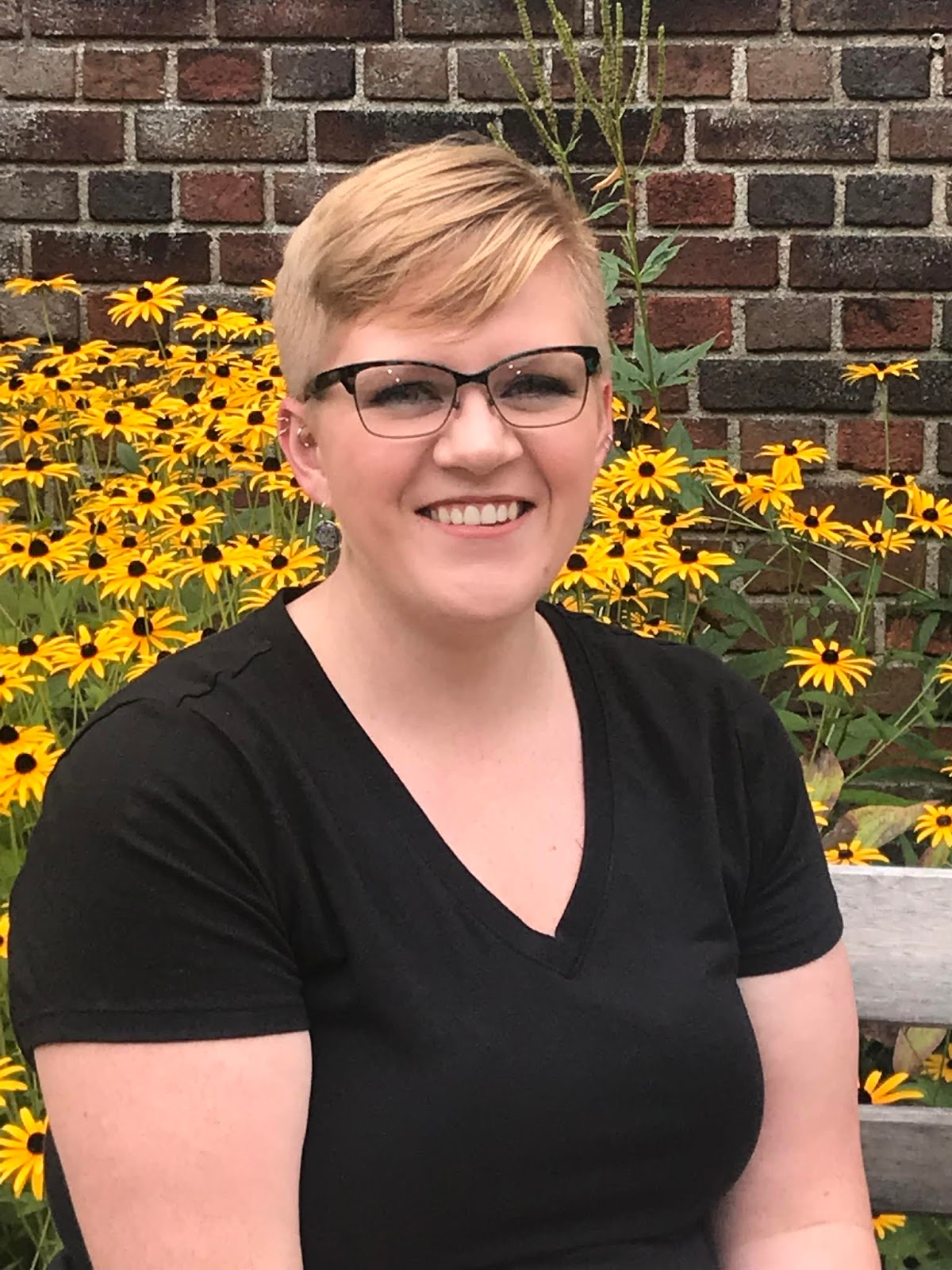

Lauren Winter, Graduate Student Research Assistant – COHRA2/COHRA Smile Projects, Center for Craniofacial and Dental Genetics
Class of 2020

Friday, May 24, 2019

Reapplying to Genetic Counseling Programs


At the end of April, individuals who applied to genetic counseling programs learned whether or not they matched with a program. Because positions in programs are limited, some applicants are not accepted on the first try. This week, members of the class of 2020 who applied to programs multiple times share some advice for individuals who did not match.

First, take a deep breath and commend yourself for all of your hard work this application season.  It is NOT EASY! Give yourself a break.
Next, contact the directors of the programs where you applied, even if you didn’t interview with them, and ask to set up a call or meeting for feedback on your application.  They are usually more than happy to chat with you about what areas of your application could use further development.  For me, this resulted in learning about a couple of summer seminars and unique shadowing opportunities that the directors knew about in my area.  Also, another year of growth is something both you and your recommenders can comment on in your reapplication. Remember, the experiences you’re writing about aren’t just to get you into a program.  They are actual learning experiences that will make you a better genetic counselor. 
Lastly, be patient with yourself.  I applied three times before I was admitted, and in retrospect, I realize I am much more successful now than I would have been if I were admitted either of the two prior cycles.  Remember, you are a unique individual and the experiences (both professional and personal) that you have in this coming year will be valuable.  I wish you the best of luck in everything!

Congrats on making it through the application process! You have worked hard, and not matching with a program does not mean you haven’t accomplished a lot. It’s okay to feel sad and disappointed; that’s a natural response to not getting something you really worked for during the past year. Try not to wallow in it though; think about how you will make the most of the next year(s) to strengthen your application and give yourself the best experience. I would highly recommend contacting program directors of your favorite programs to see how you can improve. Don’t be shy about reaching out; talking with applicants is part of their job. If you ask for feedback, this also expresses interest in their program. Use that feedback to consider how to make the most of the next year. I needed more experience in the field, and was lucky enough to find a job as a genetic counseling assistant in the city where I was already living. I learned about the job by contacting a genetic counselor who had interviewed me during the application process; don’t be hesitant to reach out to genetic counselors in your area to see if they have suggestions for jobs or volunteer experiences near where you live. I also volunteered at my local crisis center once a week. While I already had advocacy experience, I hadn’t done any formal counseling training and my time spent there has proven quite useful so far in graduate school. The extra time you take off will be what you make of it; I tried to view it positively, and it turned out to be the most fun year of my life in recent memory. When I initially wasn’t accepted, it seemed like forever before I would be a genetic counselor. In retrospect, the extra year not only flew by, but provided me with fantastic experience that made my interviews go much better the second time and have made me a better genetic counseling trainee. Good luck and remember that there are great genetic counselors who were not accepted on the first try!


The growth in the field of genetic counseling is exciting, but unfortunately, this means that getting into training programs is increasingly competitive and it’s becoming common for applicants to apply multiple times before being admitted. Just remember that you are not alone, and you deserve a break! The application cycle is an exhausting process, and while everything may not have gone according to plan, it’s important to give yourself the credit you deserve. Take some time for self-care! Do something fun or just set aside time to relax and recharge for your next application cycle.
As my classmates have said, one of the things I found most helpful when reapplying was asking for feedback. Give program leadership a few weeks to finish up with the semester and graduation and then reach out to set up a time to speak to someone about your application. Make sure you’re prepared for your conversation. Ask for any suggestions on how you could improve your application if you choose to reapply to that program, and if you have specific questions about any aspect of your application, be ready to ask them. I found this to be the most helpful in identifying how I could improve my applications and which schools I wanted to try to reapply to (and also those I didn’t). After you get feedback, or if you’re not able to get any feedback, be sure to take some time to assess your own application. Is there anything that you might be missing? Are there areas that you know could be improved? The positive side of reapplying is that you now have another year to fit in more shadowing, advocacy experience, volunteering, etc. If there’s some aspect of genetic counseling that you wish you had had more time to explore and learn about, now is that time! Take time to learn more about the career path you aspire to be on, and you’ll have some great experience to talk about during your next round of interviews. Good luck!

The application process can be grueling and emotionally draining. Take a moment to recognize all of the hard work you put in and be proud of it! Next, give yourself some time to feel sad and disappointed, you put in a lot of hard work and it’s okay to be emotional. Don’t try and move on too fast; it’s important to take some time for self-care. Once you are ready mentally and emotionally, I highly suggest you contact the programs you applied to for feedback on your application and/or interview. The feedback you get from the programs can be extremely helpful in focusing your efforts to improve your application for the next year. Additionally, the feedback you receive from a program may help you decide if you want to reapply. Once you have this feedback, reflect on your application and evaluate where you should focus your efforts for the next year. If you decide to reapply to a program, I would contact them before you submit your application about whether you should resend your transcript, test scores etc. If you are at an interview for a program you reapplied to, be sure to emphasize how you have worked to improve your application and what you have learned in the past year. One more thing I would add is be prepared for programs to potentially ask the question “what will you do if you do not get in to a program again?” I received this question during my second year interviewing, and I was not emotionally prepared for it and wished I would have had some forewarning. When I reflect back now, I greatly appreciate everything I learned during my year between application cycles, and I know it will help make me a better genetic counselor. I wish you the best of luck should you choose to reapply or take a different path!


-The class of 2020

Friday, May 10, 2019

Student Work Position: Clinical Research Intern at TRiNDS


August 2018 was a month full of life-changes. I moved across the country, I started graduate school in the University of Pittsburgh Genetic Counseling Program, and I learned about the work of a contract research organization.
 A contract research organization, or CRO, is a company that provides support and resources for clinical trial management. The type of services provided include clinical operations, data management, biostatistical, and safety monitoring for research centers or pharmaceutical companies. These services facilitate clinical research trials by coordinating the day to day needs for the successful completion of these trials. 
  For my student work position, I have the privilege of working as a clinical research intern at Therapeutic Research in Neuromuscular Disorders Solutions (TRiNDS), a full service CRO specializing in neuromuscular diseases, such as Duchenne muscular dystrophy (DMD) and Becker muscular dystrophy (BMB) to name a few. As a clinical research intern, my main job is to support the project managers at TRiNDS. To do this, I generate reports for each of the studies, which inform the project managers of the study’s progress and potential matters that need to be addressed. In addition, I organize and manage study files, documentation, and site personnel through TRiNDS’s clinical trial management system and trial master file. I help distribute study documentation to the study sites and communicate with certain site personnel, such as physical therapists, to manage their necessary training credentials.
 My work at TRiNDS mainly focuses on clinical research trials that develop therapeutic drugs for DMD, a rare, neuromuscular disorder. DMD is a devastating X-linked genetic condition that causes progressive muscle degeneration and weakness. My position has not only provided me with knowledge on how therapeutic drugs are developed for rare diseases like DMD, but has also provided me with insight on how resilient the DMD community is finding a cure for this disorder. 
 Additionally, I have the privilege of working with a dedicated and diverse group of TRiNDS employees. Two of my colleagues are genetic counselors, offering me with a unique view on how genetic counselors can work with and aid individuals with genetic conditions. As a genetic counseling student, seeing firsthand the diverse roles genetic counselors can play in research is an exciting and enlightening opportunity.
 Through my time at TRiNDS, I have gained a deep appreciation for the world of clinical research trials, which was not long ago completely foreign to me. The time and work that countless people invest in these trials is no minor feat. I have consistently been inspired by the dedication I have seen at TRiNDS, especially towards the goal of carrying out the most successful therapeutic research trial possible. The motivation of TRiNDS employees to help improve both the lives of the children with DMD and alleviate the suffering of their families is remarkable.
 Looking back at last August, I am incredibly grateful for all the changes that took place. They have helped me grow both personally and professionally, and TRiNDS played a large role in this process. This has been such a fulfilling work position and I am excited to continue my journey at TRiNDS throughout the next year. 
Caroline Bong, class of 2020